



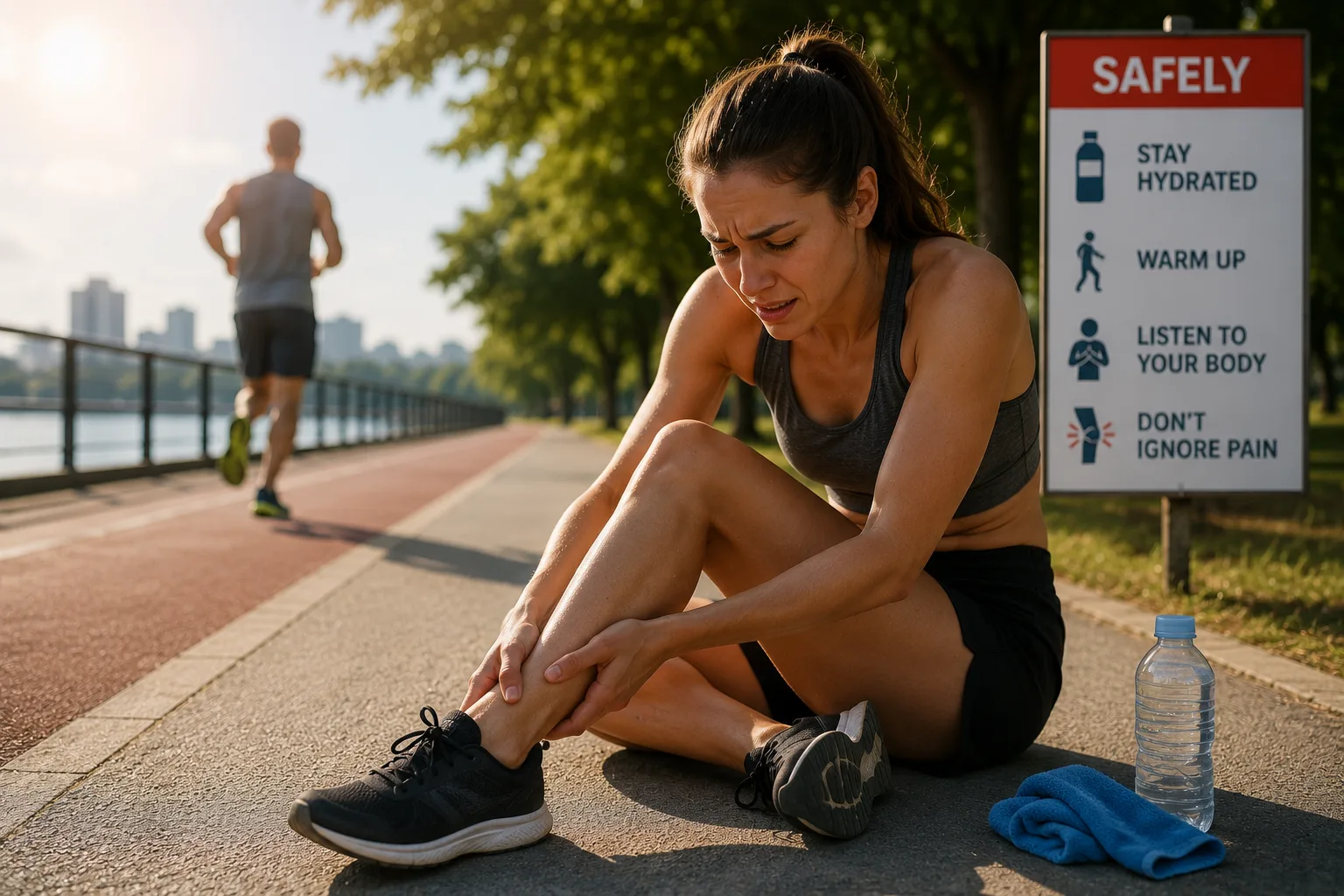
Failing to stay hydrated, skipping warm-up exercises and continuing physical activity despite persistent pain may increase the risk of muscle, tendon and joint injuries, especially during periods of high temperatures, according to orthopedic specialists.
Exercise-related injuries are often preventable with appropriate preparation and training habits. Experts say dehydration, inadequate warm-up routines and ignoring pain signals may contribute to muscle, tendon and joint injuries, while exercising in hot weather can further increase physical stress and the likelihood of heat-related illness.
Improper exercise practices may increase the risk of muscle, tendon and joint injuries, particularly during hot weather when dehydration and heat stress place additional demands on the body, according to orthopedic specialists.
Prof. Dr. Serda Duman, an orthopedic and traumatology specialist, said insufficient fluid intake, neglecting warm-up exercises and continuing physical activity despite persistent pain are among the most common preventable factors associated with sports injuries.
Higher temperatures increase sweat loss and can contribute to dehydration, fatigue and reduced physical performance. While hot weather itself does not directly cause musculoskeletal injuries, experts say dehydration and heat-related fatigue may impair coordination, reduce muscle function and increase the likelihood of injury during exercise.
Sports medicine specialists recommend performing dynamic warm-up exercises before physical activity to gradually increase blood flow, improve muscle flexibility and prepare joints for movement. Although warming up cannot prevent every injury, research suggests it may reduce the risk of certain muscle and soft-tissue injuries while improving exercise readiness.
Experts also advise against ignoring persistent, sharp or worsening pain during exercise. While delayed onset muscle soreness (DOMS) after unfamiliar or intense exercise is generally considered a normal physiological response, pain that continues during activity or progressively worsens may indicate tissue damage requiring rest and medical evaluation.
Additional injury prevention measures include increasing exercise intensity gradually, allowing adequate recovery between training sessions, wearing appropriate footwear, exercising during cooler parts of the day and maintaining adequate hydration before, during and after physical activity.
Individuals with cardiovascular disease, chronic illnesses or those returning to exercise after a prolonged break are encouraged to consult healthcare professionals before beginning vigorous training programs.
Why It Matters
Regular physical activity remains one of the most effective ways to improve long-term health, but preventable injuries can discourage continued participation. Evidence-based exercise practices—including proper hydration, progressive training, adequate recovery and recognizing early signs of injury—can help reduce sports-related injuries while supporting safe and sustainable physical activity.
Frequently Asked Questions
Does hot weather directly cause sports injuries?
Not necessarily. High temperatures can contribute to dehydration, fatigue and reduced physical performance, which may indirectly increase the likelihood of exercise-related injuries.
Is warming up before exercise important?
Yes. Dynamic warm-up exercises improve blood flow and prepare muscles and joints for activity. They may reduce the risk of certain soft-tissue injuries, although they cannot prevent all injuries.
Should I continue exercising if I feel pain?
Persistent, sharp or worsening pain should not be ignored. Continuing to exercise despite these symptoms may aggravate an underlying injury. Mild muscle soreness after exercise, however, is common and is not always a sign of injury.
How can people reduce the risk of exercise injuries?
Experts recommend staying well hydrated, increasing training intensity gradually, performing warm-up and cool-down exercises, wearing appropriate footwear, allowing sufficient recovery time and avoiding strenuous exercise during the hottest hours of the day.
Sources: Anadolu Agency, American College of Sports Medicine (ACSM), World Health Organization (WHO)