
Venezuelan health authorities have confirmed that hantavirus has claimed three lives in the country’s eastern Anzoátegui state. Officials say the cases appear to be isolated, while two additional suspected deaths remain under investigation.
Hantavirus, a rodent-borne virus that can cause severe respiratory illness, has resulted in three confirmed deaths in Venezuela, according to health authorities. Officials have launched epidemiological investigations and reinforced surveillance measures, stressing that there is currently no evidence of sustained human-to-human transmission linked to the confirmed cases.
Three deaths confirmed
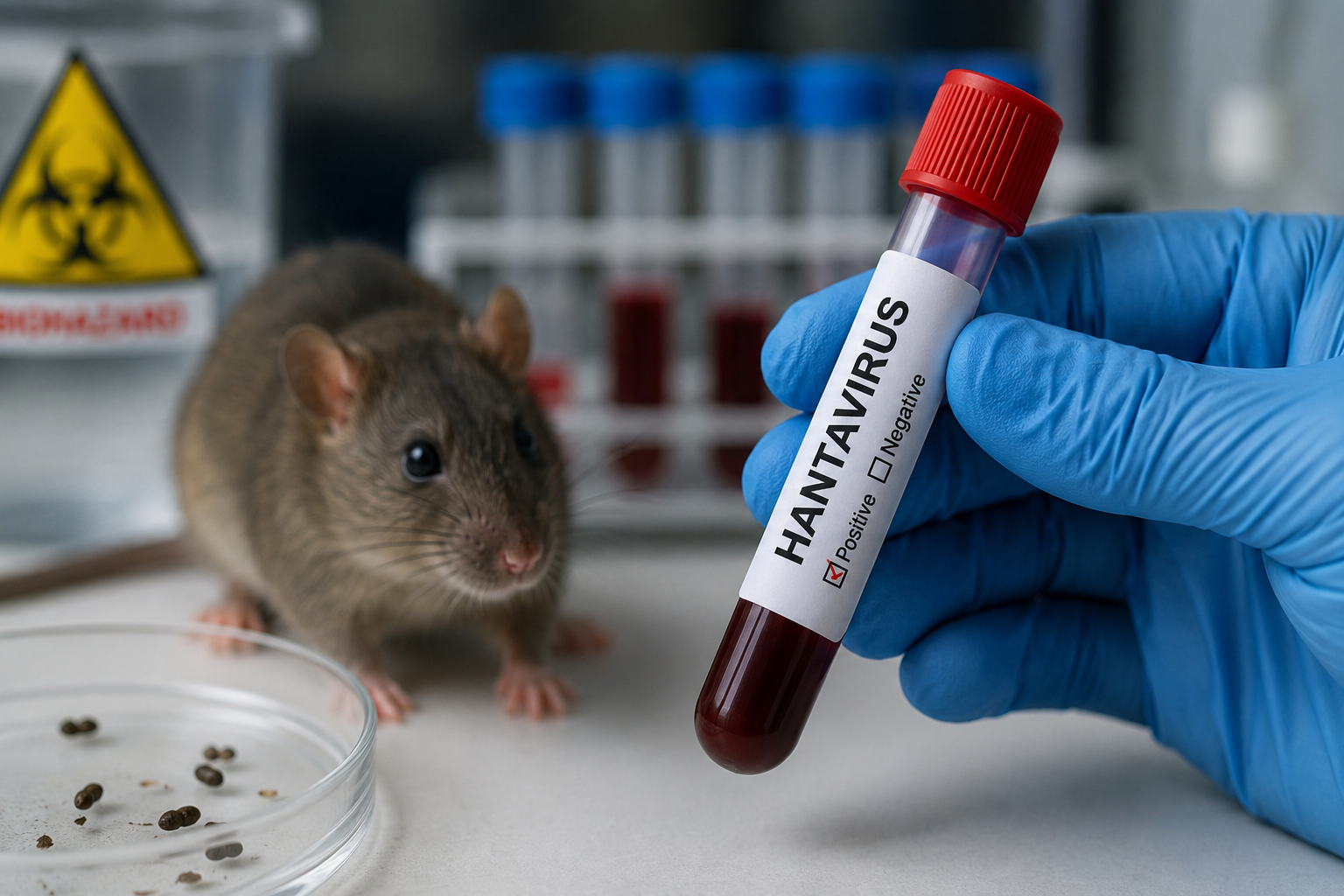
Venezuela’s Ministry of Health has confirmed three deaths caused by hantavirus, a rare but potentially fatal virus primarily transmitted through contact with infected rodents or their urine, droppings, and saliva.
The confirmed fatalities occurred in the eastern state of Anzoátegui, where health officials said the victims belonged to the same family. Authorities have also opened investigations into two additional suspected hantavirus-related deaths involving healthcare workers in the western state of Barinas, although officials say there is no confirmed epidemiological link between the two incidents.
According to the Ministry of Health, response teams have been deployed to affected areas to strengthen disease surveillance, identify potential exposures, and implement preventive measures aimed at limiting further infections.
Officials emphasized that the confirmed cases do not indicate sustained community transmission and urged healthcare providers to remain vigilant while epidemiological investigations continue.
How hantavirus spreads
Most hantavirus infections occur after people inhale virus-containing particles released from infected rodents’ urine, droppings, or saliva, particularly in enclosed or poorly ventilated environments.
Public health authorities are urging residents to minimize contact with rodents, safely clean areas contaminated by rodent waste, and seek immediate medical attention if symptoms such as fever, muscle aches, or breathing difficulties develop following possible exposure.
Rare but potentially severe infection
Hantavirus infections are uncommon but can lead to severe disease, including Hantavirus Pulmonary Syndrome (HPS) in the Americas. While person-to-person transmission is generally not associated with most hantavirus species, limited transmission has previously been documented with specific strains such as the Andes virus.
Why It Matters
The confirmed hantavirus deaths underscore the continued public health threat posed by rodent-borne diseases, particularly in rural communities where exposure risks are higher. Early detection, effective rodent control, public awareness, and rapid epidemiological investigations remain essential to reducing severe illness and preventing additional cases.
Sources:Venezuelan Ministry of Health, AP, Anadolu Agency, ECDC