

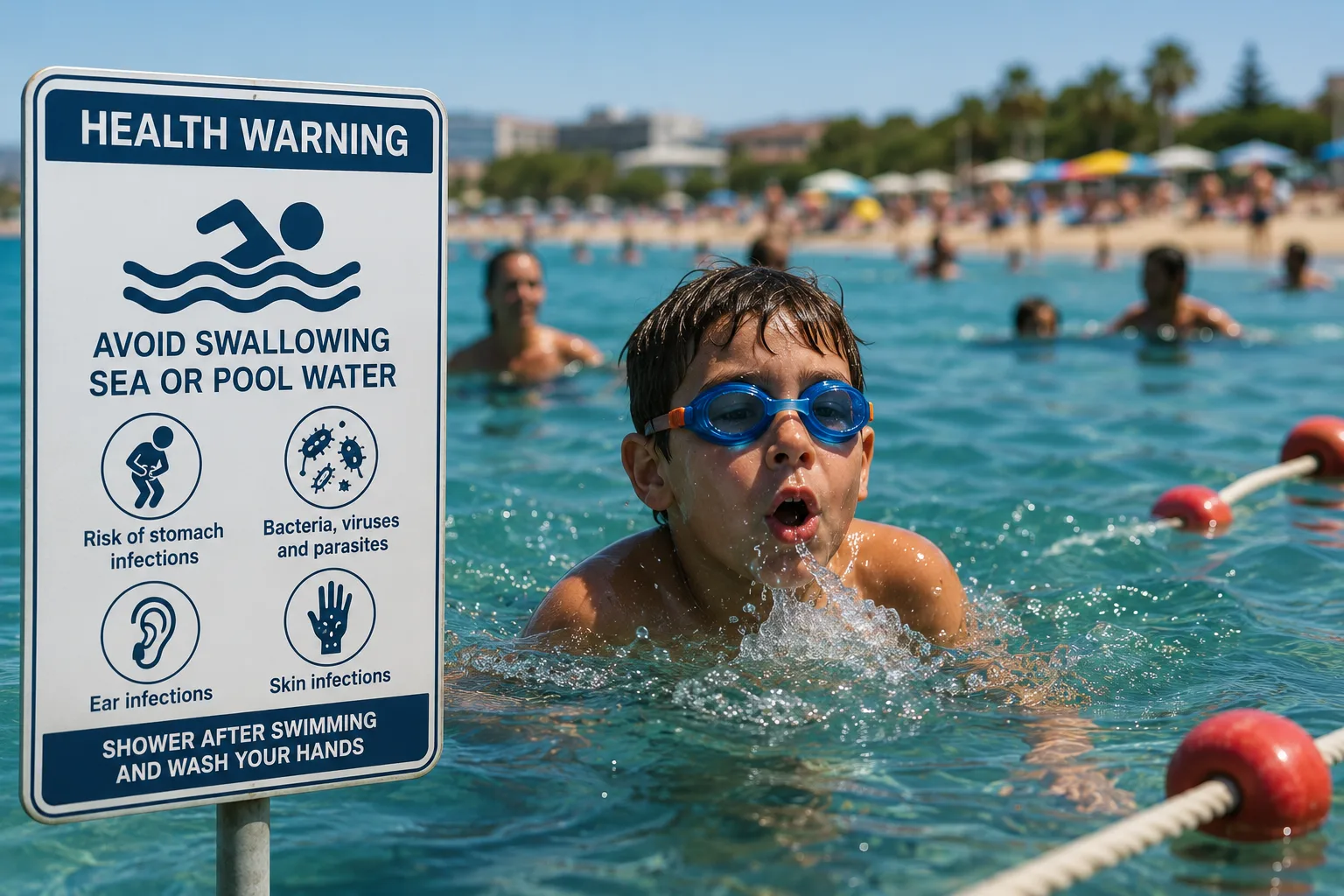
Swallowing seawater or pool water and prolonged exposure to contaminated recreational water may increase the risk of infection, according to an infectious diseases specialist, who also warned that rising seawater temperatures can encourage the growth of certain harmful microorganisms.
Warmer seawater and accidental ingestion of recreational water may increase the risk of waterborne infections, according to infectious diseases experts. While higher temperatures can promote the growth of certain microorganisms, the overall risk depends on water quality, environmental conditions and individual health status.
Swallowing seawater or pool water may increase the risk of gastrointestinal and other waterborne infections during the summer months, according to Assoc. Prof. Dr. Mustafa Doğan, a faculty member in the Department of Infectious Diseases at Tekirdağ Namık Kemal University Faculty of Medicine.
Doğan said rising seawater temperatures above seasonal averages may create favorable conditions for the growth of certain microorganisms, potentially increasing the likelihood of exposure among swimmers.
“The recent increase in seawater temperatures above seasonal averages may increase the levels of certain bacteria, fungi and viruses in the marine environment. As a result, people may become ill more easily and, depending on the infectious agent, may experience symptoms such as diarrhea, nausea and vomiting, which can become severe in vulnerable individuals,” he said.
Public health experts note that recreational water illnesses are most commonly associated with swallowing contaminated water. The risk depends on multiple factors, including water quality, sanitation standards, environmental contamination, swimmer density and the amount of water ingested.
According to the World Health Organization (WHO), contaminated recreational water may transmit a range of pathogens capable of causing gastrointestinal illness, ear infections, eye infections and skin conditions. Individuals with open wounds, weakened immune systems or chronic illnesses may face a greater risk of complications.
Warmer coastal waters have also been associated with increased concentrations of certain naturally occurring marine bacteria, including Vibrio species, particularly during periods of elevated sea surface temperatures. Scientists caution, however, that increased temperatures do not automatically result in higher levels of all bacteria, viruses or fungi, and local environmental conditions remain a key determinant of risk.
Health authorities recommend avoiding swallowing seawater or pool water, showering after swimming, covering open wounds with waterproof dressings and avoiding recreational waters that are visibly polluted or subject to official health advisories.
Why It Matters
Climate change and rising sea temperatures are increasing attention on waterborne health risks worldwide. Although recreational swimming remains safe in properly monitored waters, awareness of infection prevention measures can help reduce avoidable illnesses, particularly among children, older adults and people with weakened immune systems.
Frequently Asked Questions
Does spending more time in the water increase the risk of infection?
Longer exposure may increase opportunities for contact with harmful microorganisms, but the greatest risks are associated with contaminated water, swallowing water and individual health conditions rather than time alone.
Why are warmer seas associated with more infections?
Higher seawater temperatures can promote the growth of certain microorganisms, including some Vibrio species. However, not all bacteria, viruses or fungi increase in warm water, and local water quality remains the most important factor.
What illnesses can contaminated recreational water cause?
Exposure may lead to diarrhea, nausea, vomiting, skin infections, ear infections and eye irritation. Serious illness is uncommon but can occur in young children, older adults and people with weakened immune systems.
How can swimmers reduce their risk?
Avoid swallowing seawater or pool water, shower after swimming, avoid entering the water with open wounds, and follow local public health advisories regarding beach and pool water quality.
Sources: Tekirdağ Namık Kemal University, World Health Organization (WHO), U.S. Centers for Disease Control and Prevention (CDC)