




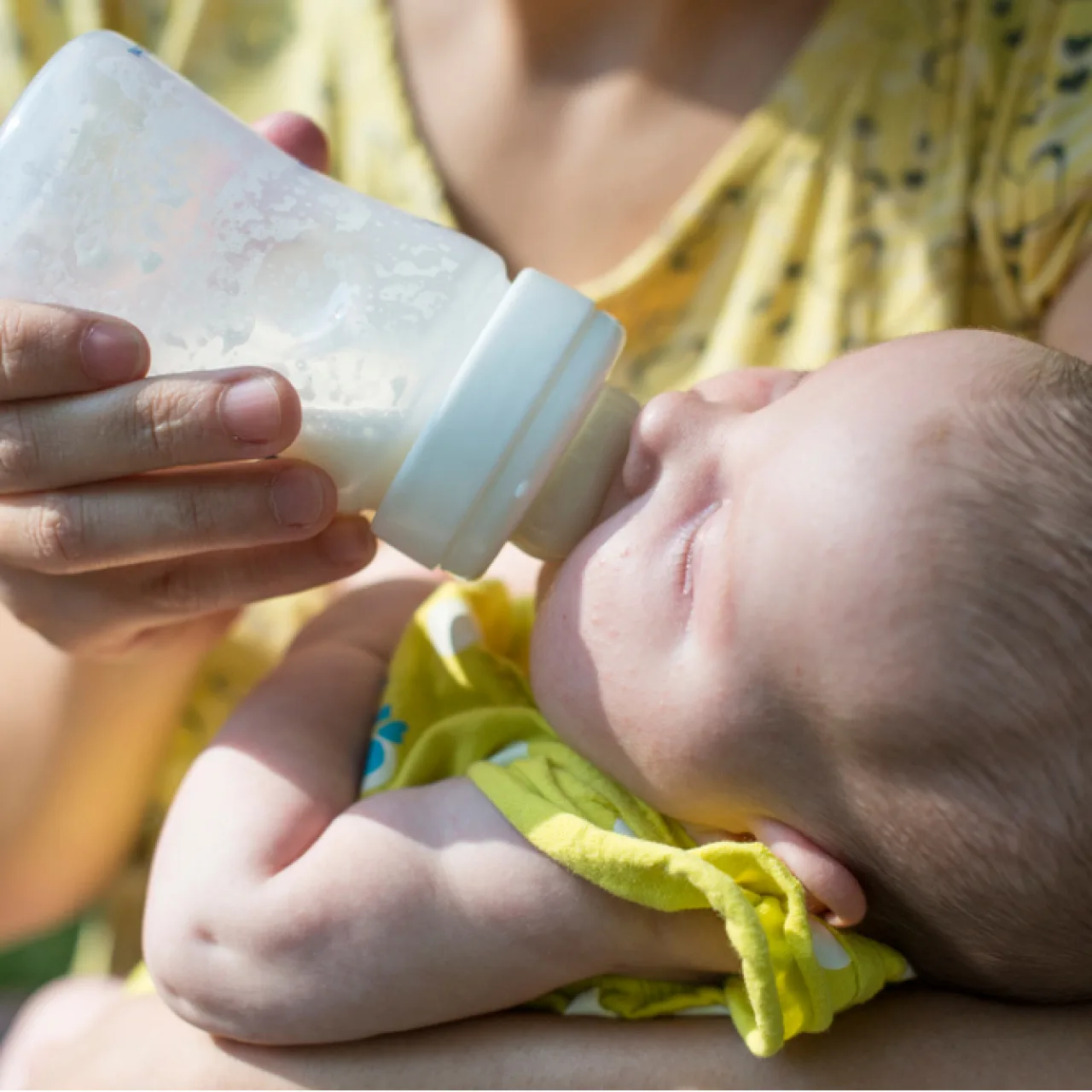
Pediatric dentistry experts are urging parents not to leave bottles containing milk, infant formula, follow-on formula, or fruit juice in a baby’s mouth overnight, warning that prolonged exposure to sugars can significantly increase the risk of early childhood tooth decay.
Early childhood tooth decay is a preventable condition that can begin in infancy when babies regularly fall asleep with bottles containing milk, formula, or juice. Experts recommend removing the bottle after feeding, establishing oral hygiene routines as soon as the first tooth erupts, and avoiding prolonged nighttime exposure to sugary liquids.
Pediatric dentistry specialists are reminding parents that allowing babies to sleep with bottles containing milk, infant formula, follow-on formula, or fruit juice may substantially increase the risk of early childhood tooth decay.
Prof. Dr. Gamze Aren said bottles containing these beverages should not remain in a baby’s mouth throughout the night. During sleep, saliva production naturally decreases, reducing the mouth’s ability to neutralize acids and clear food residues. This allows sugars to remain on the teeth for extended periods, creating favorable conditions for cavity-causing bacteria.
Prolonged sugar exposure damages teeth
According to pediatric dental experts, nighttime bottle feeding itself is not necessarily harmful. However, when babies fall asleep with a bottle and sugary liquids remain in contact with the teeth for hours, oral bacteria convert these sugars into acids that gradually weaken tooth enamel.
Milk, while nutritionally important, contains natural sugars that can contribute to tooth decay if teeth are exposed for prolonged periods without adequate oral hygiene.
Oral care should begin early
Experts recommend cleaning a baby’s gums even before the first tooth erupts and beginning regular toothbrushing with an age-appropriate toothbrush as soon as the first tooth appears. Routine dental visits during infancy can also help identify potential problems early and reinforce healthy oral care habits.
Healthy bedtime routines matter
Parents are encouraged to complete feeding before the baby falls asleep and gently clean the baby’s mouth afterward whenever possible. If a bottle is needed at bedtime for comfort, experts advise that it should contain only water rather than milk, formula, or fruit juice.
Why It Matters
Early childhood tooth decay is one of the most common chronic diseases affecting preschool-aged children worldwide, yet it is largely preventable. Establishing healthy feeding practices and oral hygiene habits during infancy can reduce the need for complex dental treatment later in childhood while supporting overall health and development.
Frequently Asked Questions
Why shouldn’t babies sleep with a bottle?
When milk, formula, or juice remains on the teeth overnight, bacteria produce acids that can damage tooth enamel and increase the risk of cavities.
Can milk contribute to tooth decay?
Yes. Although milk is highly nutritious, its natural sugars may contribute to tooth decay when teeth are exposed for prolonged periods during sleep without proper oral hygiene.
When should parents begin cleaning a baby’s mouth?
Oral care should begin before the first tooth erupts by gently cleaning the gums. Once the first tooth appears, parents should start brushing with an age-appropriate toothbrush.
What is the safest bedtime bottle option?
Pediatric dental experts recommend that, if a bedtime bottle is necessary, it should contain only plain water rather than milk, formula, or fruit juice.
Source: Turkish Dental Association, American Academy of Pediatric Dentistry (AAPD), American Dental Association (ADA), Anadolu Agency