




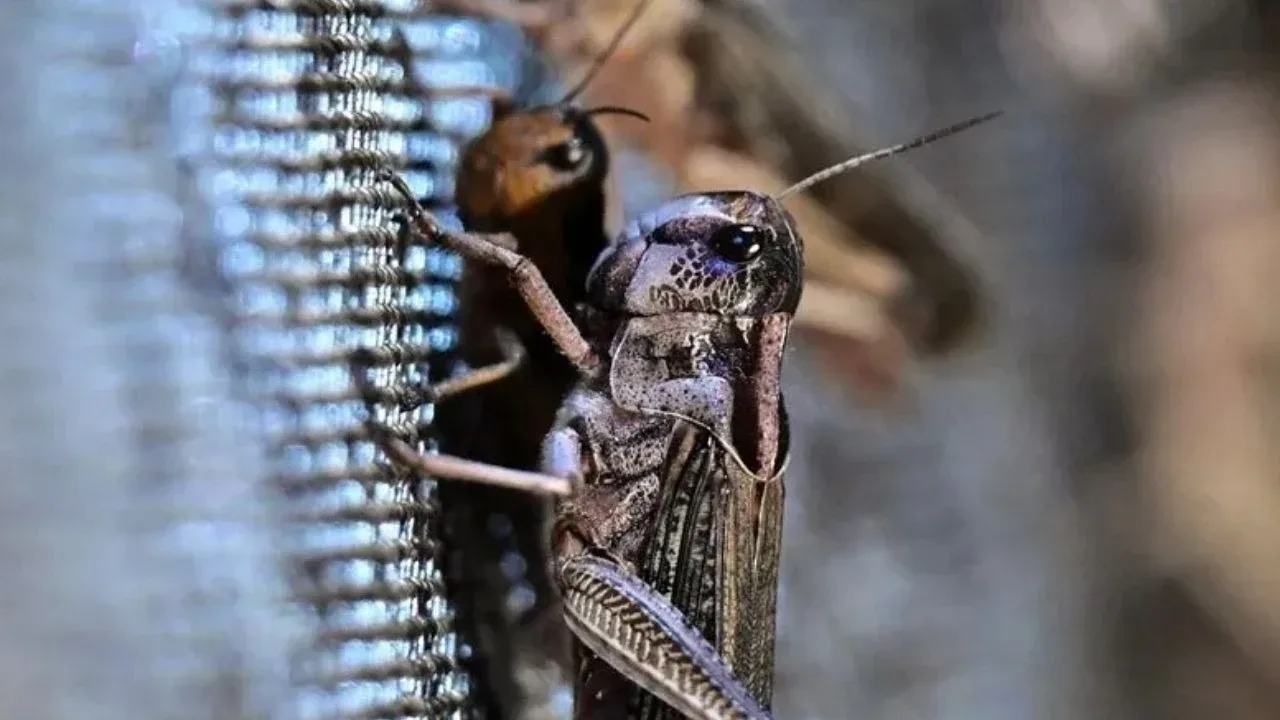
Large grasshoppers appearing in urban areas have led to questions about whether they are dangerous to humans. Entomologists note that some grasshopper species are omnivorous and may occasionally feed on animal material or bite defensively, but they do not hunt humans or consume human flesh. In most cases, a grasshopper bite causes only mild, temporary pain or skin irritation. People who develop severe swelling, signs of infection or allergic reactions should seek medical attention.
Are “flesh-eating” grasshoppers dangerous?
The term “flesh-eating grasshopper” is often used in media reports and on social media, but it can be misleading.
Some grasshopper and katydid species are omnivorous, meaning they may occasionally feed on insects, carrion or other animal material in addition to plants, especially when food is scarce. However, experts emphasize that these insects do not attack or feed on living humans.
If picked up or disturbed, some species can use their strong mouthparts to deliver a defensive bite.
Can a grasshopper bite cause illness?
For most healthy people, a grasshopper bite causes minor pain, redness or slight swelling that resolves without medical treatment.
There is no evidence that grasshoppers are major vectors of human infectious diseases, unlike mosquitoes, ticks or certain flies. Nevertheless, as with any break in the skin, keeping the bite area clean can help reduce the risk of a secondary bacterial infection.
People should seek medical care if they experience:
- Severe or increasing swelling
- Persistent pain or signs of infection
- Fever after the injury
- Difficulty breathing or symptoms of a severe allergic reaction
Why are large grasshoppers being seen?
Entomologists say weather conditions, seasonal population cycles and changes in habitat can increase the visibility of large grasshopper species in urban environments.
Although sudden increases in sightings may appear alarming, they do not necessarily indicate an invasive infestation or increased risk to public health. Local authorities and environmental experts continue to monitor insect populations when unusual activity is reported.
Why It Matters
Unverified claims about “flesh-eating insects” can spread rapidly on social media and create unnecessary public anxiety. Accurate information helps distinguish between nuisance insects and genuine public health threats. While grasshoppers may occasionally bite in self-defense, they are generally not considered dangerous to humans or significant carriers of infectious diseases.
Frequently Asked Questions
Can grasshoppers kill people?
No. There is no scientific evidence that grasshoppers kill people or deliberately attack humans.
Do grasshoppers spread diseases?
Grasshoppers are not considered important transmitters of human diseases. Their bites typically pose a low health risk, although any skin wound should be kept clean.
What should I do if a grasshopper bites me?
Wash the area with soap and water, apply a cold compress if needed and monitor for redness or swelling. Seek medical attention if symptoms worsen or signs of infection or an allergic reaction develop.
Why are there more grasshoppers in Istanbul?
Experts say seasonal weather conditions, breeding cycles and environmental changes can temporarily increase grasshopper activity and make them more noticeable in urban areas.
Sources: World Health Organization, European Centre for Disease Prevention and Control (ECDC), Entomological Society of America
This content has been prepared solely for news and general information purposes. The information provided herein is not intended for diagnosis or treatment. Please consult your doctor or a qualified healthcare provider regarding decisions concerning your health. Our website is not liable for any direct or indirect consequences arising from the use of the published information.